

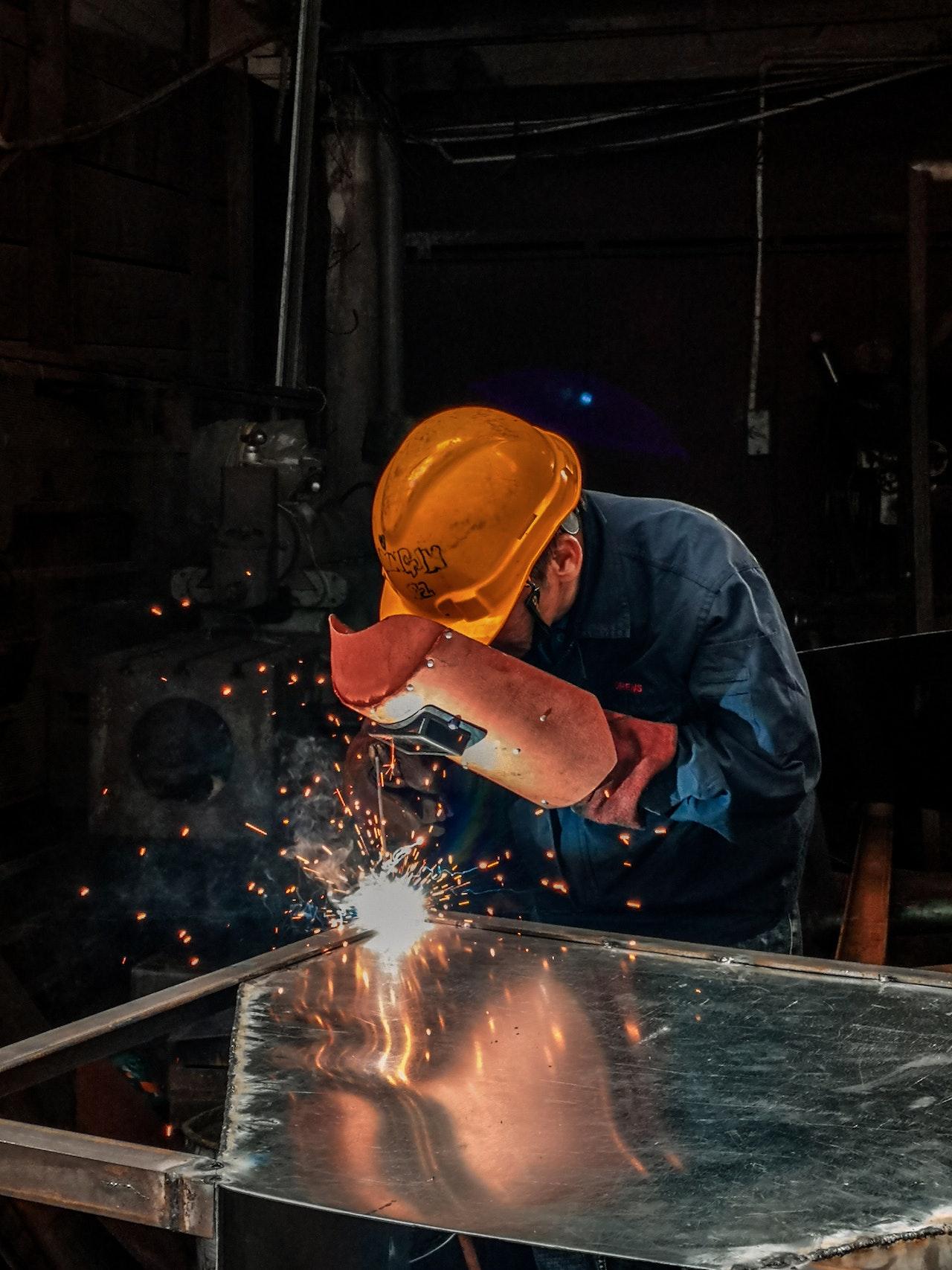
Zeit ist Geld: Wie moderne Zeiterfassungssysteme die Effizienz in der Industriewelt steigern

Die präzise Erfassung von Arbeitsstunden stellt in der dynamischen Welt der Industrie eine unverzichtbare Säule des Erfolgs dar. Ein gut strukturiertes System zur Dokumentation der Arbeitszeit fördert nicht nur die…
Industrielle und private Reinigungs-Expertise in München: Mehr als nur Sauberkeit

In der lebhaften Metropole München, wo die Dynamik des städtischen Lebens auf die Pracht bayerischer Tradition trifft, ist die Sauberkeit ein unverzichtbares Gut, das sowohl im privaten als auch im…
Flexibilität trifft auf Extremtemperaturen: die Hochleistungsschläuche in der Industrie
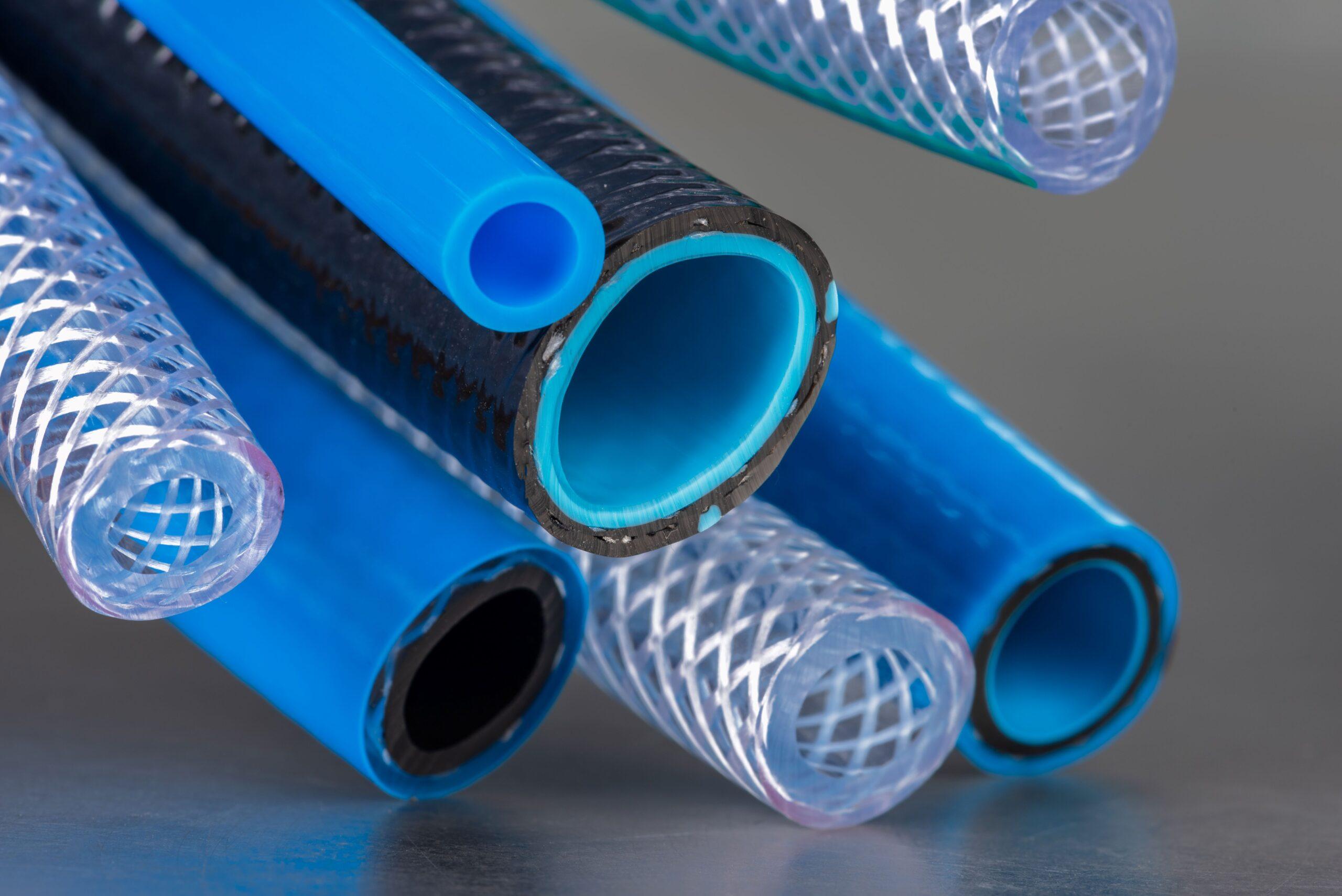
In einer Welt, in der Industrie und Technologie sich ständig weiterentwickeln, stehen Ingenieure und Techniker vor der stetigen Herausforderung, Materialien und Komponenten zu entwickeln, die unter extremen Bedingungen zuverlässig funktionieren….
Energiewende zu Hause: Wie Photovoltaikanlagen den Wohnwert steigern und Kosten senken

Willkommen auf „Industriewelt“, dem Blog, der Licht ins Dunkel der technologischen Fortschritte und deren Auswirkungen auf unser tägliches Leben und die Industrie bringt. Heute widmen wir uns einem Thema, das…
Sozialer Fortschritt oder wirtschaftliche Bürde? Eine Analyse des Mindestlohns

Der Mindestlohn ist ein ständiger Brennpunkt in den Debatten über Wirtschaftspolitik und sozialen Fortschritt in Deutschland. Seit seiner Einführung stehen Argumente für soziale Gerechtigkeit und gegen wirtschaftliche Belastungen in einem…
Professionelle Apple-Gerätebetreuung in der Hansestadt: Ein Wegweiser zu verlässlichen Reparaturen

Die moderne Technologie hat unseren Alltag in vielerlei Hinsicht vereinfacht, aber wenn es zu einem Defekt kommt, stehen wir oft vor einer großen Herausforderung. Dies gilt insbesondere für Nutzer von…
Revolution in der Ablufttechnik: Wie Lüfter mit Feuchtigkeitssensor die Industrie verändern
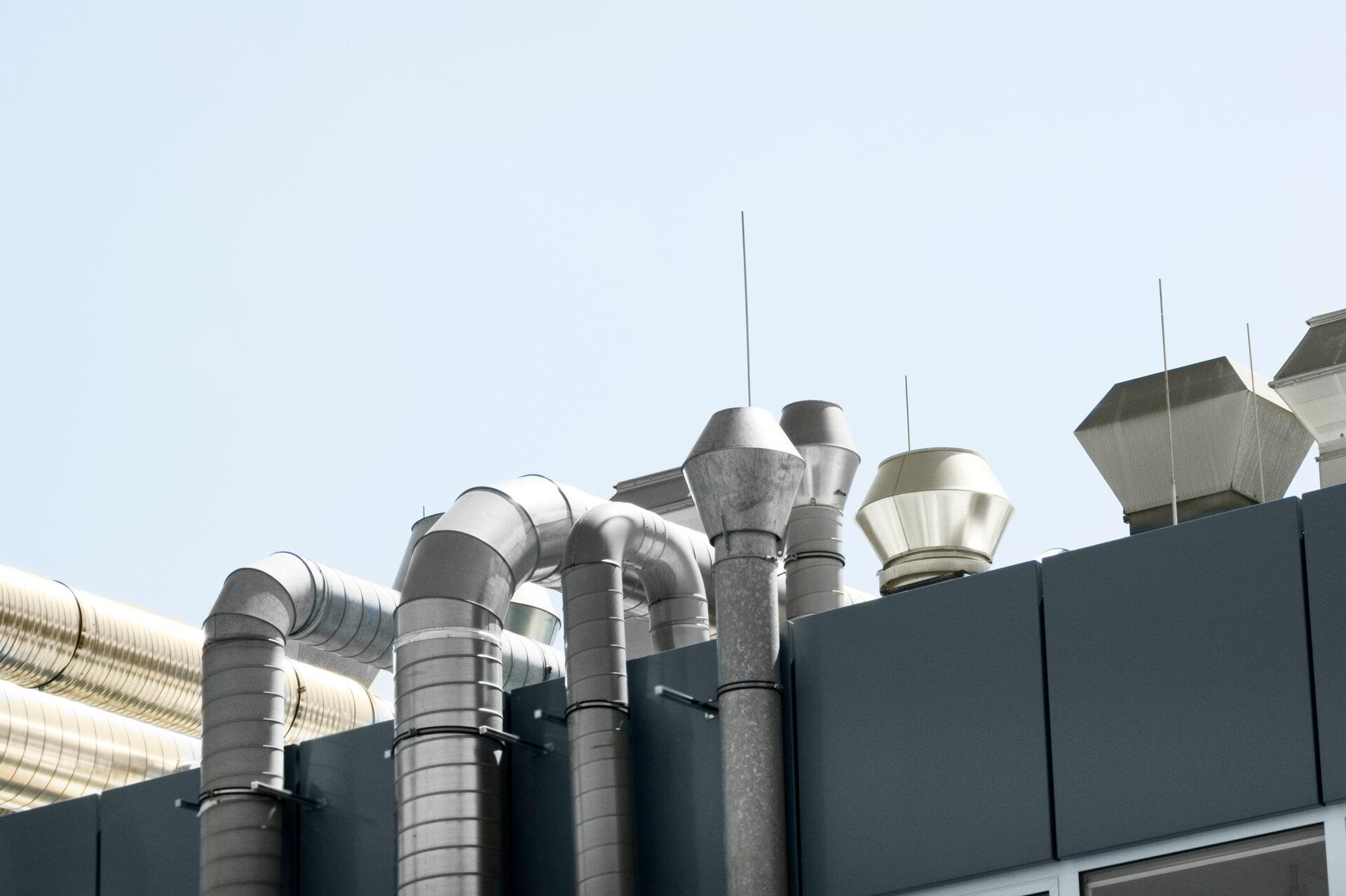
Die Bedeutung einer effizienten und effektiven Abluftsystemtechnologie in der modernen Industriewelt kann nicht hoch genug eingeschätzt werden. Vor allem in Produktionsstätten, wo die Luftfeuchtigkeit kontinuierlich überwacht und reguliert werden muss,…
Starke Saugkraft im Dienste der Industrie: Die Evolution der Industriesauger

Die Reinigung in industriellen Umgebungen stellt eine enorme Herausforderung dar. Staub, Schmutz und diverse Abfälle sind nicht nur lästige Begleiterscheinungen der Produktion, sondern können auch die Qualität der Endprodukte beeinträchtigen…